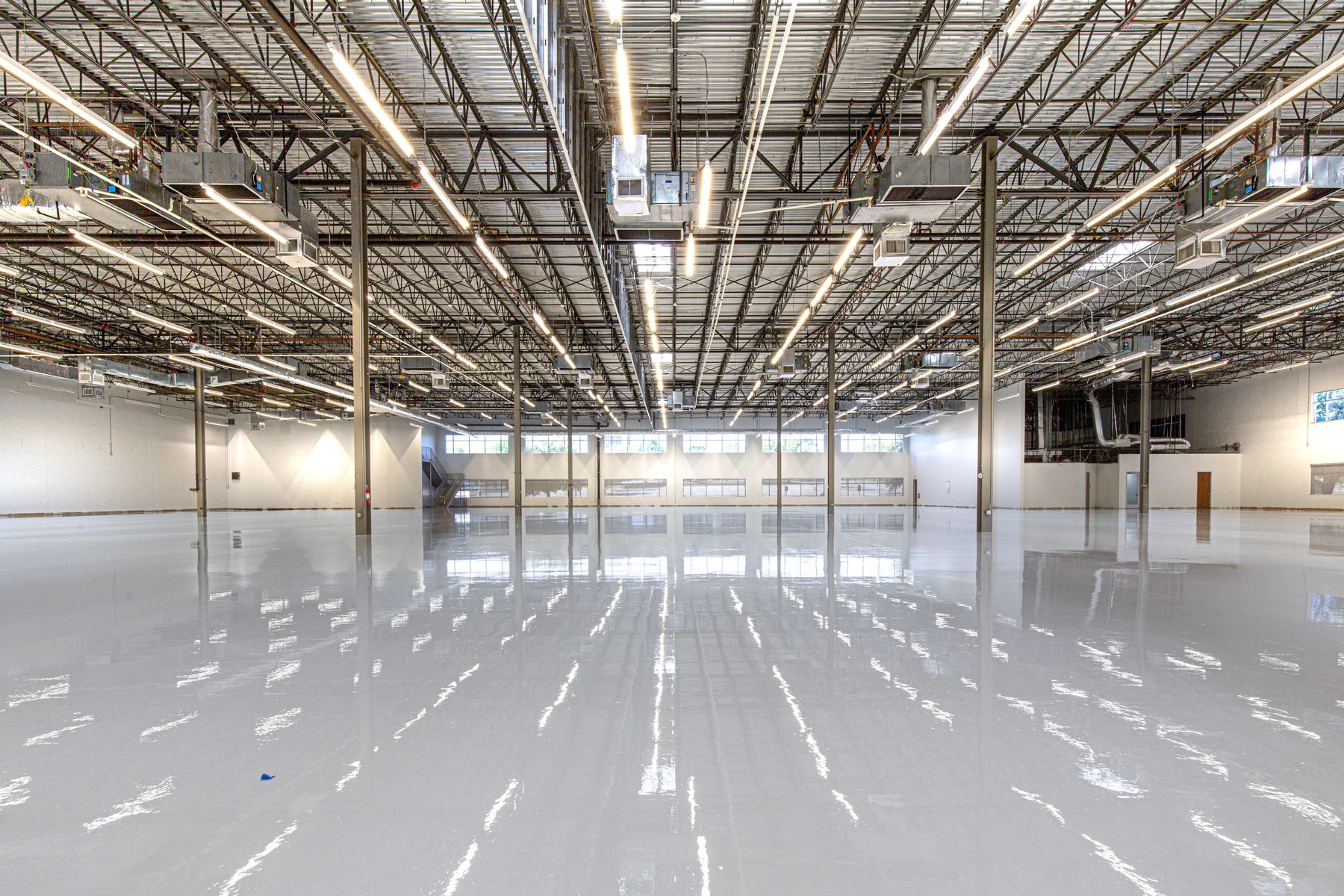
A high-gloss coated concrete floor
Garage floor coatings · Frankston, VIC

Flake epoxy garage floors in Frankston.

Frankston is older than the growth corridors — most of it was built between the 1950s and the 1980s — and its garages show it. The job here is usually removal first: old paint, old sealers, sometimes two previous attempts at a floor, all of it ground off before the real work starts.

Floor shown is a visualisation — stock reference photography, not a completed Ironclad job.

The ground under it

Post-war slabs on sandy ground

Frankston filled out in the post-war decades — the fifties through the eighties, from the Commission-era pockets in the north to the bigger blocks up the hill in Frankston South. Almost all of that stock predates August 1997, when the under-slab vapour barrier became a prescriptive requirement in Victoria. Some of these slabs were poured with no membrane at all, which is exactly the floor the moisture test exists for — and on the older streets the reading genuinely changes the answer more often than it does in the growth corridors.

The ground is coastal sand country, part of the same south-eastern sand belt as Cranbourne, and it drains freely. That commonly means gentler seasonal movement than the basalt-plain clays get — a settled sixty-year-old Frankston slab can be a genuinely good base. What we watch for instead is the surface: decades of paint, sealers, adhesive from carpet-and-underlay conversions, and salt-air contamination near the front. All of it comes off with the top of the concrete when the slab is diamond-ground back to bare.

And Frankston is shed country as much as garage country — freestanding garages and workshops on their own slabs, many of them working spaces for decades. Oil that has soaked into concrete has to be dealt with in preparation, because contaminated concrete won't hold a coating and stains can bleed back through. Send a photo of what is actually on the floor and the quote covers it up front.

Typical slab age

1950s–1980s across most of the suburb — settled, and usually wearing several old finishes.

Typical garage

Single lock-ups and freestanding garages around 18–20 m², plus real backyard workshops.

What to expect on these slabs

Old paint and sealers to strip, oil staining, and a slab that needs a real moisture reading before promises.
How we do it

The Ironclad 4-stage.

Same four stages on every job in Frankston, residential or commercial. No shortcuts, because we're the ones carrying the guarantee.

STAGE 01

Grind

Diamond-ground back to bare, open concrete. Not acid-etched, not rolled over. Dust-extracted, so the garage stays clean.

STAGE 02

Test

Moisture tested before a drop goes down. Cracks and joints are cut out and filled so they don't telegraph through the finish.

STAGE 03

Flake

Pigmented base coat, then decorative flake broadcast to refusal for full coverage, grip and depth. Your colour, chosen before we arrive.

STAGE 04

Seal

Clear coat over the top, edges cut in sharp, site cleaned. You get the guarantee in writing before we leave.

One day on site. Walk on it after 24 hours, car back on it at 48. Gear moved and put back — you don't lift a thing. Written guarantee against lifting, and it transfers if you sell.

Access & scheduling

Working in Frankston

Frankston is easy to reach and mostly easy to work in — established streets, driveways with room, and Peninsula Link making the schedule reliable. The complications are on the property, not the road: older freestanding garages down the side of the house can have tight access for machinery, and we ask about it at quote stage so the right gear comes.

Power, as with all older suburbs: one shared 10-amp outlet in a sixty-year-old garage won't run a grinder and an extractor together. Flag it and we bring our own supply. And if the garage spent part of its life as a bungalow or rumpus room, say so — carpet glue and levelling compound change the preparation.

Straight answers

Frankston questions.

My Frankston garage has had two coatings fail already. Why would yours hold?

Because the first two almost certainly went over the top of what was there. A coating is only as sound as what it is stuck to. We grind everything off — both old films and the contaminated top layer of concrete — moisture test the bare slab, and only then coat it. That preparation is what the written guarantee against lifting is written against, and it is the part cheap quotes skip.

Does being near the bay wreck an epoxy floor?

No. Salt air matters for preparation, not for the finished floor — a slab near the water can carry more surface contamination, and grinding takes that off with the top of the concrete before anything is applied. Once the system is down and cured, washing salt and sand off it is a hose-and-broom job.

Is a 1960s slab with no vapour barrier a lost cause?

Not automatically — plenty of them test dry. But it has to be tested, not assumed. If the reading is high we tell you what the options honestly are, and if the floor isn't a candidate we say so. We would rather lose the job than coat a slab we know is pushing moisture.

More general questions are answered on the main FAQ, and Melbourne-wide answers — cost, systems, timing — live on the epoxy flooring Melbourne page.

Free · no obligation

Send one photo of your Frankston garage.

One photo and rough dimensions is all we need to give you a real number — no site visit required. Quotes weekdays 7am–7pm.

Get my price →
Nearby

We're also in…

Get my price →