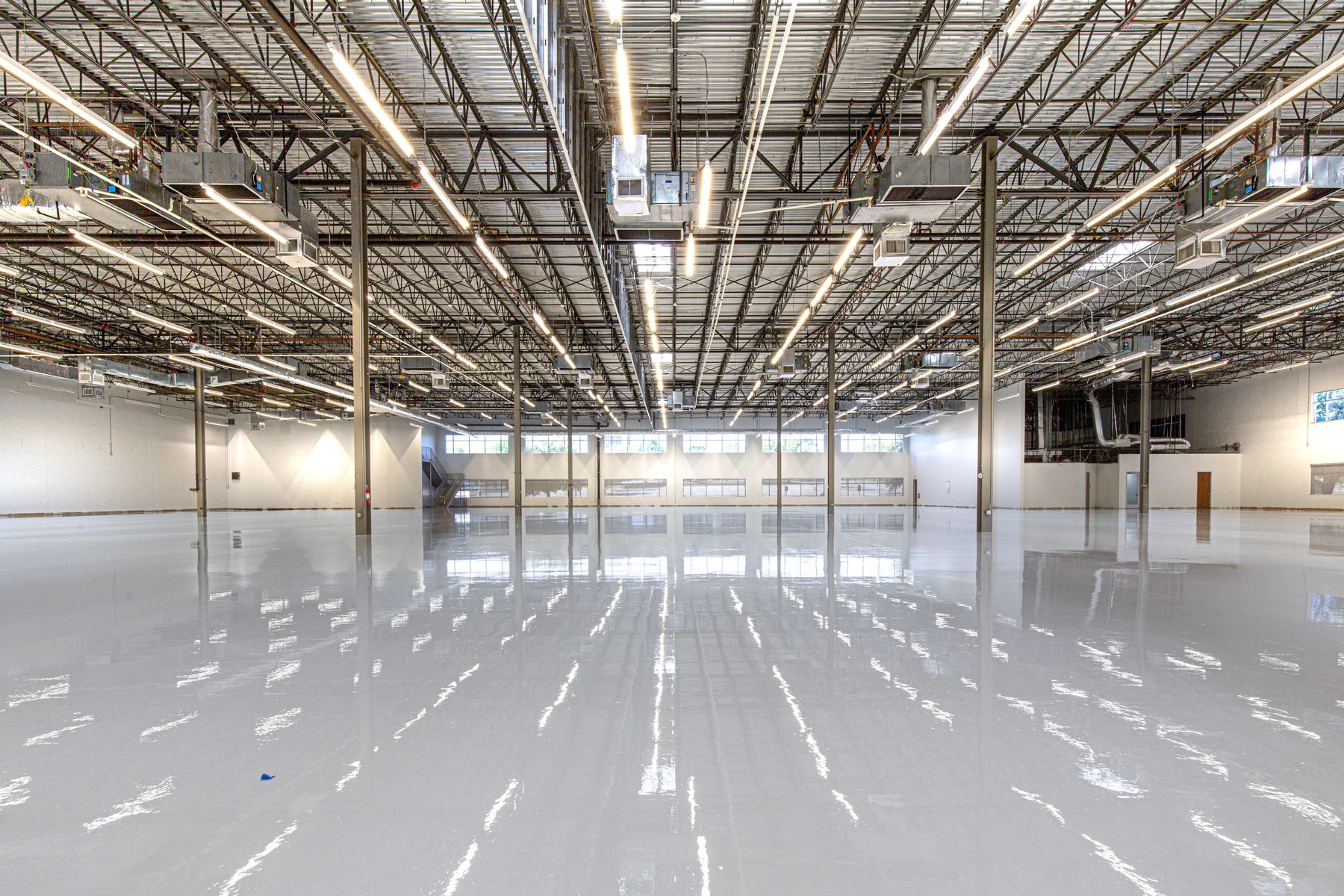
A high-gloss coated concrete floor
Garage floor coatings · Cranbourne, VIC

Flake epoxy garage floors in Cranbourne.

Cranbourne is different country from Melbourne's west, and the difference is under your feet: this is the south-eastern sand belt, not the basalt plain. That changes some of what we worry about — and none of what we do.

Floor shown is a visualisation — stock reference photography, not a completed Ironclad job.

The ground under it

Sand under the slab, for once

Most of the suburbs we work in sit on reactive basalt-plain clay. Cranbourne mostly doesn't — the town sits on the south-eastern sand belt, the same free-draining sandy country the Royal Botanic Gardens chose for their Cranbourne site. Sandy ground commonly moves less with the seasons than heavy clay, which is quietly good news for a slab. As ever, the classification that matters is the one from a soil test on your own lot — sand belts have clay lenses and filled ground in them, and no suburb is one thing.

What the sand doesn't change is the coating rules. The older township streets around the racecourse and High Street date back to the sixties-through-nineties, which puts plenty of Cranbourne slabs before August 1997, when the under-slab vapour barrier became a prescriptive requirement in Victoria — so older floors still get a real moisture reading before anyone promises anything. And old floor paint is old floor paint on any geology: it gets ground off, not coated over.

Around the township, the growth front — Cranbourne East and West, Clyde and Clyde North — is some of the fastest-building country in Australia, and those garages sit on concrete that is often months old. New slabs need to finish curing before they take a coating; manufacturers typically want at least 28 days, and the moisture test has the final say. If you are in a new estate, the slab pour date is the first thing to dig out.

Typical slab age

1960s–1990s in the township; brand new on the Clyde growth front, where slab age is the first question.

Typical garage

Modern double around 36 m² in the estates; older singles and sheds around the township.

What to expect on these slabs

Free-draining sandy ground, old paint on township floors, and new-estate concrete still curing.
How we do it

The Ironclad 4-stage.

Same four stages on every job in Cranbourne, residential or commercial. No shortcuts, because we're the ones carrying the guarantee.

STAGE 01

Grind

Diamond-ground back to bare, open concrete. Not acid-etched, not rolled over. Dust-extracted, so the garage stays clean.

STAGE 02

Test

Moisture tested before a drop goes down. Cracks and joints are cut out and filled so they don't telegraph through the finish.

STAGE 03

Flake

Pigmented base coat, then decorative flake broadcast to refusal for full coverage, grip and depth. Your colour, chosen before we arrive.

STAGE 04

Seal

Clear coat over the top, edges cut in sharp, site cleaned. You get the guarantee in writing before we leave.

One day on site. Walk on it after 24 hours, car back on it at 48. Gear moved and put back — you don't lift a thing. Written guarantee against lifting, and it transfers if you sell.

Access & scheduling

Getting to you in Cranbourne

Cranbourne and the estates around it are a regular run for us. The township streets are easy — room to park, real driveways. The newer stages out toward Clyde carry the usual growth-front caveats: narrow streets, construction traffic, and not much kerb space, so we sort out where the truck sits before the day.

Sheds are a Cranbourne staple — freestanding, on their own slab, often with a life of workshop use behind them. They coat beautifully, but oil contamination has to be dealt with in preparation, so tell us what the shed has actually been used for when you send the photo.

Straight answers

Cranbourne questions.

Does sandy ground mean my Cranbourne slab won't crack?

It means seasonal movement is commonly gentler than on reactive clay, which is good news — but no ground guarantees an uncracked slab, and sand country has its own quirks, including clay lenses and filled ground. Cracks and joints get cut out, filled and treated in preparation either way, and your lot's real classification comes from a soil test.

I'm in Clyde North — my house is six months old. Can you coat the garage?

Probably, but the slab pour date decides it, not the settlement date. New concrete is generally left at least 28 days before coating and we moisture test to confirm it has finished giving up its water. Send the pour date with your photo and you get a straight answer.

Can you coat my shed slab as well as the garage?

Yes, and doing both in one visit is usually the efficient way. A shed slab gets exactly the same four stages — grind, test, flake, seal. If the shed has years of oil in the concrete, say so up front: contamination changes the preparation, and we would rather quote it honestly than surprise you.

More general questions are answered on the main FAQ, and Melbourne-wide answers — cost, systems, timing — live on the epoxy flooring Melbourne page.

Free · no obligation

Send one photo of your Cranbourne garage.

One photo and rough dimensions is all we need to give you a real number — no site visit required. Quotes weekdays 7am–7pm.

Get my price →
Nearby

We're also in…

Get my price →